A massive dust storm, or haboob, swept across the Sahara Desert from western Algeria into Mauritania, Morocco, Western Sahara and the Canary Islands on March 30. The dust stretched for more than 1,000 miles.
As meteorologists observed the dust storm from space via weather satellites, social media users captured the incoming dust storm on camera. One video shows a thick wall of dust and sand moving toward a resident of the town of Tindouf, near the Mauritanian, Western Saharan and Moroccan borders.
How does the dust affect tropical storms in the Atlantic?
While this storm didn't make it too far off the coast, significant amounts of dust can drift westward from Africa across the Atlantic beginning in May. This can inhibit tropical storm formation, or the strengthening of an existing system, because the dusty air has about 50% less moisture than the typical tropical atmosphere.
Strong winds in the dust layer can also substantially increase the vertical wind shear in and around the storm environment, potentially disrupting any storm that forms.
LATEST POSTS
- 1
 10 Fundamental Tips and Deceives to Lift Your Cell phone's Exhibition
 - 2Images of Bangladeshi motorcyclists sleeping at petrol pumps are AI-generated
- 3People can't get enough of this couple's Hallmark movie reviews. They don't know the painful backstory.
- 4Sean 'Diddy' Combs faces new sexual assault allegations, currently under investigation by Los Angeles Sheriff's Department
- 5UN experts urge investigation into Israel’s killing of Lebanese journalists





- Really focusing on Succulents: Tips and Procedures
- Compassion and Association: Building Significant Connections
- Addiction-stricken community struggles to keep a syringe program going after Trump's order
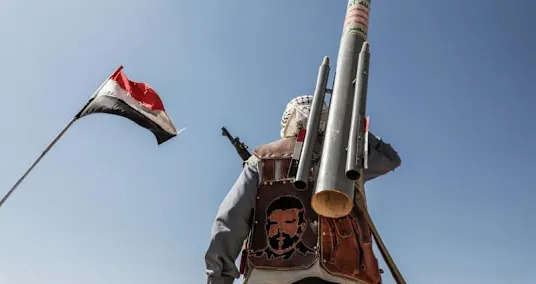
- Israel reports first missile fire from Yemen since start of Iran war
- Highlight Correlation of Microsoft Surface Book and Surface Genius Workstations for Determination
- High-Suggested Broilers For Your Homes
- Pick Your Favored kind of sandwich
- Vote In favor of Your Favored Sort Of Bevarage
- Getting through a Lifelong Change: Individual Examples of overcoming adversity