When you buy through links on our articles, Future and its syndication partners may earn a commission.

From distant exoplanets and the universe's first galaxies to the next generation of space telescopes, astronomy's biggest annual gathering is set to deliver a week of discoveries, debates and conversations that will shape the future of astronomy.
Thousands of astronomers, students, educators and space scientists are gathering in Phoenix, Arizona, this week as the 247th meeting of the American Astronomical Society (AAS 247) kicks off Monday — launching what many in the field consider the Super Bowl of astronomy. Running from Jan. 4–8 at the Phoenix Convention Center, the conference will feature panels, presentations and workshops covering everything from exoplanets and galaxy evolution to the future of flagship space telescopes.
Exoplanet research is expected to be a major focus, with sessions organized by NASA's Exoplanet Exploration Program Analysis Group examining the latest discoveries and debating priorities for future missions. Discussions around the proposed Habitable Worlds Observatory are likely to draw particular attention, as researchers explore how next-generation space telescopes could detect and characterize potential Earth-like planets around other stars beyond our solar system and identify biosignatures, or signs of life, in their atmospheres.
Cosmic origins and galaxy evolution will also be featured prominently throughout the week. Several sessions will showcase new results from surveys that combine data from the James Webb Space Telescope (JWST), Hubble Space Telescope and the Atacama Large Millimeter/submillimeter Array (ALMA) in Chile, offering fresh insights into how galaxies formed and evolved in the early universe. Other talks will dive into the nature of brown dwarfs, faint dwarf galaxies and the structure of the Milky Way's outskirts, highlighting how recent findings are reshaping long-standing theories.
Meanwhile, NASA's Program Analysis Groups (PAGs) — including those focused on cosmic origins, physics of the cosmos and exoplanet exploration — are meeting to brainstorm science goals, mission concepts and future priorities.
Looking ahead, astronomy's next major observatory, the Nancy Grace Roman Space Telescope, will be the subject of a dedicated Town Hall meeting on the status of the mission and next steps, as well as several other breakout sessions. As Roman edges closer to launch — currently planned for no earlier than September 2026 — scientists are refining how the mission's wide-field capabilities can complement JWST and ground-based observatories, particularly in studies of dark energy, exoplanets and infrared astrophysics.
Beyond the science itself, AAS 247 underscores the increasingly collaborative nature of modern astronomy. Sessions will highlight how skilled amateur astronomers are contributing to frontline research, while workshops and networking events aim to support early-career scientists navigating an evolving research landscape.
You can find a full list of scheduled events and topics for discussion in the program available online. Daily press conferences will also be held on-site and streamed live on Zoom, where virtual attendees can ask questions, and on the AAS Press Office YouTube channel.
LATEST POSTS
- 1
 Study reveals links between global food systems, obesity, and climate change
 - 2Kaiser Permanente affiliates to pay $556 million to resolve US claims alleging Medicare fraud
- 3From Fledgling to Master: Self-awareness in a Side interest
- 4Flu concerns grow in US as UK sees more cases among kids
- 5Italy Brings In New Measures In 2026 To Tackle Overtourism



- Boeing's troubled capsule won't carry astronauts on next space station flight
- Eli Lilly to build $6 billion Alabama plant as part of US manufacturing push
- Nurturing Hacks: Astuteness from Experienced Mothers and Fathers
- Inside the alleged Russian operation to trigger anti-government protests in Angola
- Our favorite Space.com stories of 2025
- New movies to watch this weekend: See 'Predator: Badlands' in theaters, rent 'Black Phone 2,' stream Guillermo del Toro's 'Frankenstein' on Netflix
- Amateur's Manual for Venture Strategies for Tenderfoots
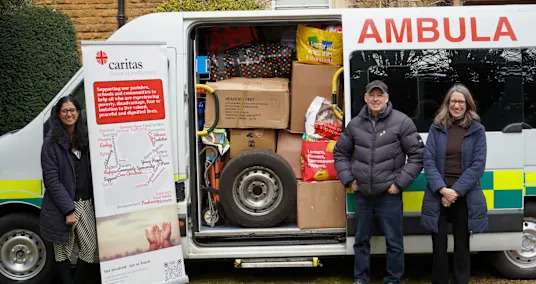
- Aid sent by ambulance to Ukraine front line
- Excelling at Discussion: Genuine Examples of overcoming adversity